











When I was a kid living in Western New York, I remember a news report about the Cuyahoga River in Ohio, a tributary of Lake Erie, catching on fire. Even to an elementary schooler, the idea of water being aflame was pretty fantastical.
Back then, the vast Lake Erie was biologically dead.
Thankfully, the Cuyahoga fire spurred local and national policies such as the 1972 Clean Water Act that cleaned up the water from the heavy industry that ringed Lake Erie, stretching from Cleveland to Buffalo.
Today, Erie is the most biologically-productive of the five Great Lakes.
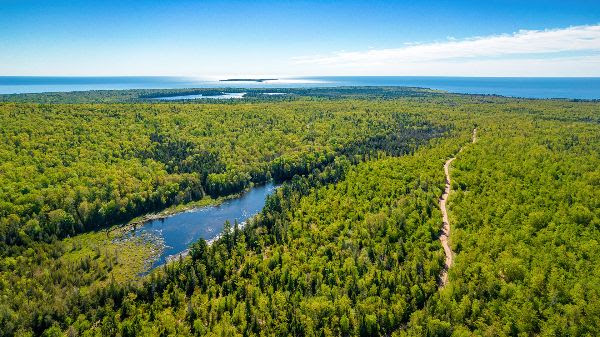
That means fishing for walleye, lake trout, and steelhead, a migratory cousin of the rainbow trout originally from the Pacific. Out West, anadromous steelies live in the Pacific Ocean’s saltwater and make runs into freshwater to spawn. In Lake Erie, the 4th largest Great Lake and the 13th largest freshwater lake in the world, lake-run steelhead do similarly, except they live their entire lives in freshwater. Living in a Great Lake, with lots of forage, is very similar to living in the ocean.
These fish are muscle-bound and feisty.
I’ve fished for steelies in Western New York (South of Buffalo) a number of times, but wanted to give some other parts of Steelhead Alley, which runs from Ohio through Pennsylvania to New York, a try….
- Review of National Wildlife Refuge System calls for boots on the ground conservation
- Archery Trade Association Names Pete Crawford President and CEO.
- AGLOW Presents Tom Opre with The Golden Glow Individual Award
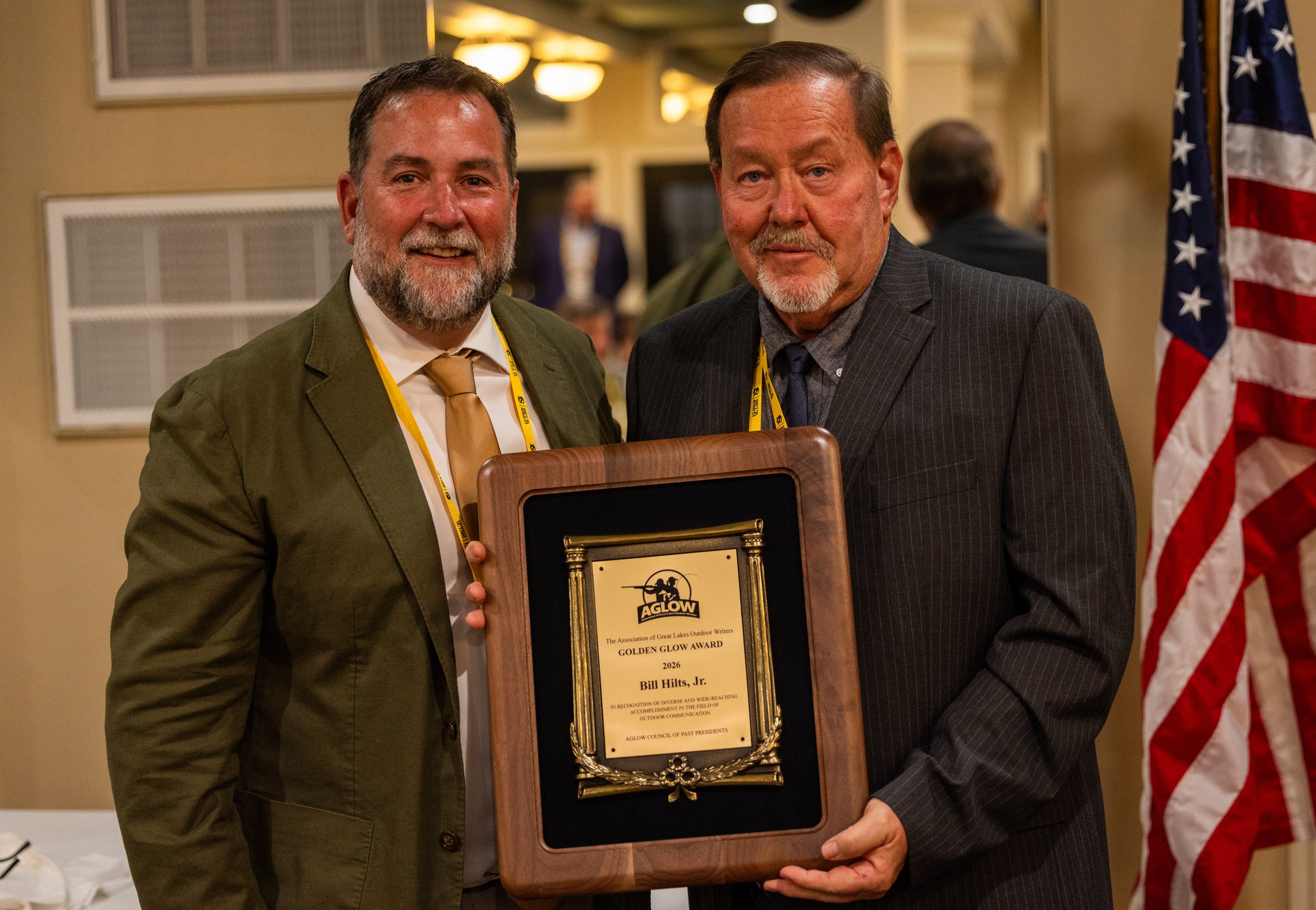
- AGLOW Presents Bill Hilts Jr. with the Excellence-in-Craft Golden Glow Award
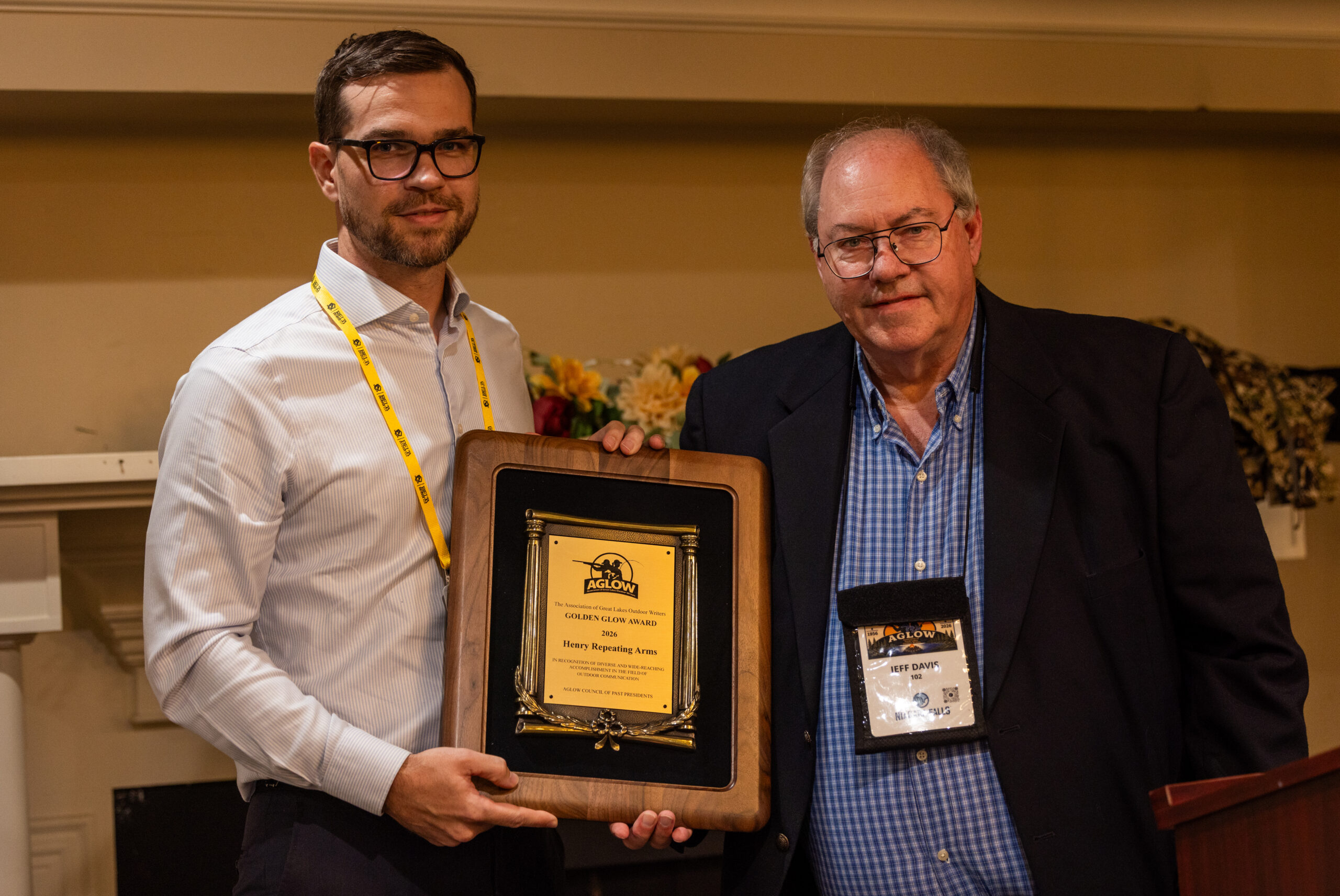
- AGLOW Presents Prestigious Golden Glow Award to Henry Repeating Arms


