












By Brandon Butler | The National Wildlife Refuge System (NWRS) is one of our country’s greatest conservation achievements. Nearly 100 million acres of acres of land has been protected for wildlife, along with approximately 750 million acres of waters for fish and marine life. The refuges also provide hunters, anglers and other outdoor enthusiasts with places to enjoy the outdoors. Now, a comprehensive review of the system is setting a new direction for how these important public lands will be managed.
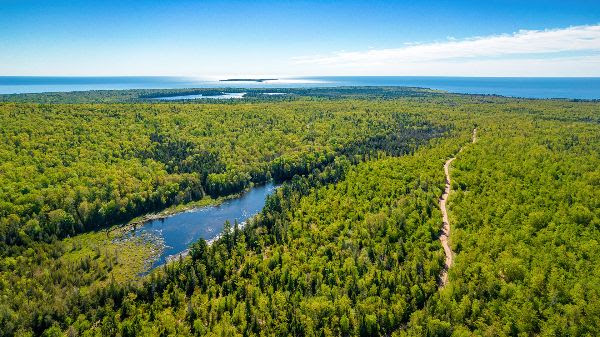
The National Wildlife Refuge System traces its beginnings to President Theodore Roosevelt, who established the first federal bird reservation at Pelican Island, Florida, in 1903. Today, the system protects habitat across the country for everything from migratory waterfowl to desert bighorn sheep.
On November 6, Secretary of the Interior Doug Burgum and U.S. Fish and Wildlife Service Director Brian Nesvik announced the findings of a nationwide review of the NWRS. The recommendations emphasize active habitat management, increased staffing in the field, stronger partnerships with neighboring landowners and improved public access.
The announcement has received strong support from several of the nation’s leading conservation organizations, including the Boone and Crockett Club, Congressional Sportsmen’s Foundation and Wild Sheep Foundation.
“The Boone and Crockett Club’s founder Theodore Roosevelt established the National Wildlife Refuge System to help protect habitat critical for sustaining our nation’s wildlife. The System has filled this important mission and provided tremendous opportunities for hunters, anglers, birdwatchers, and other outdoor recreationists,” commented Mary Webster, president of the Boone and Crockett Club. “However, habitat must be actively managed to provide the diverse requirements for the many fish and wildlife species that depend on our wildlife refuges. We thank U.S. Fish and Wildlife Service Director Brian Nesvik and his team for their thoughtful review of the Refuge System and providing a clear, disciplined vision for the future of this vital public lands resource.”
Money is always a concern in conservation, and this review again found this fact to be true. Over time, administrative staffing at headquarters and regional offices increased significantly while individual refuges lost operational capacity. The new recommendations call for shifting more personnel and resources back to operational staff who spend time outdoors taking care of these lands.
Wildlife habitat doesn’t improve because someone writes a management plan. It improves when trained professionals have the resources and authority to put those plans into action. Active management mean prescribed fires, timber stand improvements, controlling invasive species and so much more. Different habitats require different approaches. What benefits waterfowl in a Missouri marsh has little relevance to managing bighorn sheep habitat in Nevada. We need boots on the ground experts in their unique environments.
The review also recognizes that hunting and fishing are important components of the refuge system’s history and future.
“The National Wildlife Refuge System is unique amongst our federal lands because wildlife and habitat conservation guide its management, with each refuge’s founding purposes at the forefront,” said Taylor Schmitz, Senior Vice President and Chief Operating Officer of the Congressional Sportsmen’s Foundation. “CSF thanks Secretary Burgum and Director Nesvik for their leadership in strengthening that foundation and supporting the habitat and access that America’s sportsmen and women depend on.”
Hunters have played a significant role in building the refuge system. Federal Duck Stamp purchases have helped purchase and protect millions of acres of habitat. Sportsmen and women have also supported conservation through organizations that contribute funding, volunteers and expertise to wildlife management projects.
Another important recommendation involves working more closely with private landowners. Wildlife doesn’t recognize property boundaries. A refuge surrounded by poorly managed habitat cannot accomplish everything on its own. Cooperation with neighboring farmers, ranchers and other landowners can improve conservation outcomes across entire landscapes.
Brandon Maddox, founder and CEO of Silencer Central and a professional member of the Boone and Crockett Club, attended the announcement. He praised the review’s emphasis on accountability and practical management.
“The Fish and Wildlife Service put real work into this review, and it shows,” said Maddox. “The Refuge Review lays out a clear, disciplined plan for stewardship. It gets people out of offices and into the field, manages habitat with a hands-on approach and makes sure refuge plans don’t just get written; they get done. That’s the right direction for land, water and wildlife, and for the people who enjoy them today and for generations to come.”
The Wild Sheep Foundation also endorsed the recommendations. Nevada’s Desert National Wildlife Refuge provides an excellent example of why these lands matter. Established in 1936 to conserve desert bighorn sheep, the refuge encompasses approximately 1.6 million acres. It is the largest national wildlife refuge in the contiguous United States.
Of course, recommendations are only as valuable as their implementation. The Department of the Interior has directed the Fish and Wildlife Service to develop an implementation plan within 90 days. That process will help determine whether the review produces meaningful improvements on the ground.
Conservation should never be a partisan issue. Wildlife benefits when sound science, professional management and public support come together. The success of these recommendations should ultimately be measured by healthier habitat, stronger wildlife populations and opportunities for Americans to enjoy their public lands.
The National Wildlife Refuge System belongs to us all. Its primary responsibility is conserving wildlife, but offering natural escapes for humans is a close second. Keeping wildlife as the center of the mission to steer management decisions is a direction worth supporting.
See you down the trail…
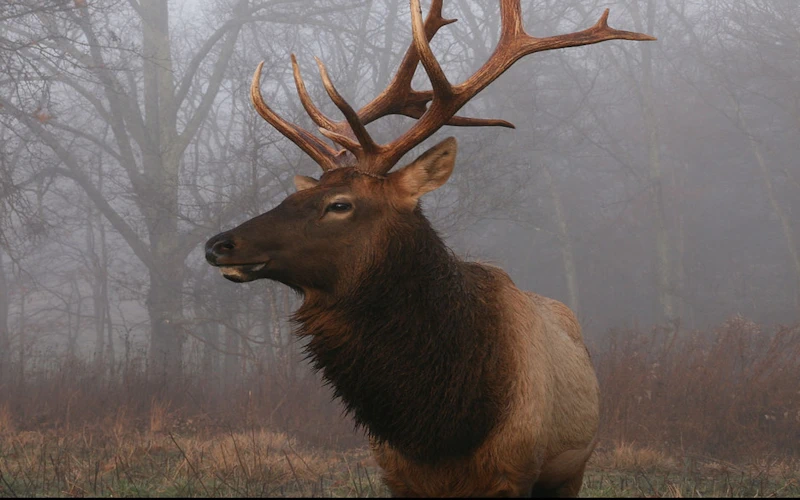
Pic: Bighorn Sheep and countless other species of wildlife benefit from the lands of the National Wildlife Refuge System.
For more Driftwood Outdoors, check out the podcast on www.driftwoodoutdoors.com or anywhere podcast
- Review of National Wildlife Refuge System calls for boots on the ground conservation
- Archery Trade Association Names Pete Crawford President and CEO.
- AGLOW Presents Tom Opre with The Golden Glow Individual Award
- AGLOW Presents Bill Hilts Jr. with the Excellence-in-Craft Golden Glow Award
- AGLOW Presents Prestigious Golden Glow Award to Henry Repeating Arms


