













By Brandon Butler | In the heart of Kentucky’s Bluegrass Country, a region known for fine horses and smooth
bourbon, Elkhorn Creek winds through a landscape of wild and scenic beauty. Stretches of
whitewater, long riffles, deep pools and undercut banks provide the kind of habitat where
smallmouth bass grow old and large. There are plenty of fish, too, making the Elkhorn a popular
destination for anglers.
Elkhorn Creek begins as two forks. The North Fork originates east of Lexington, while the South
Fork begins southwest of the city. The two merge at the aptly named Forks of Elkhorn, just east
of Frankfort, the state capital.
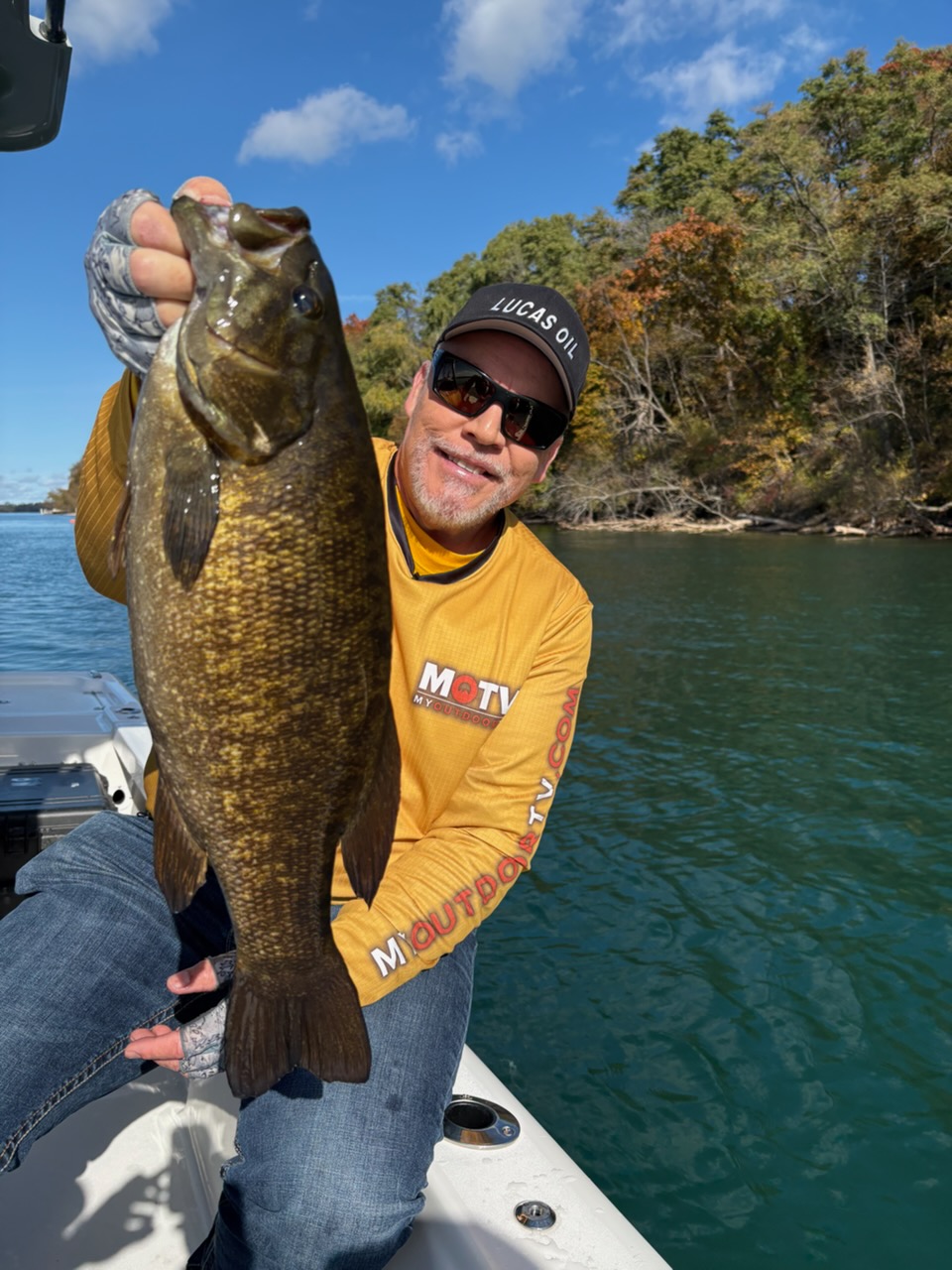
Elkhorn Creek as one of the hidden gems of the Midwest. It offers world-class smallmouth
fishing in a small-stream setting. On good days, you can catch 15 to 20 smallmouth over 12
inches. On great days, you’re hauling in upwards of 40 fish that size, with a handful topping 18
inches. Days like that would please anglers anywhere. It’s why fly fishers from Indiana,
Missouri, Ohio, West Virginia and elsewhere have long made trips to the Elkhorn.
Ed Councill founded Canoe Kentucky, a canoe livery on the Elkhorn, and developed a lasting
appreciation for the creek and its smallmouth fishery.
“All streams have their ups and downs,” Councill said. “But lately, things have been real good
here on the Elkhorn. I attribute a lot of that to the slot limit Kentucky Fish & Wildlife has in
place on the creek, and my general perception that the fishermen who come here have changed.
We see a lot more catch-and-release, and much more use of barbless hooks, nowadays.”
Special regulations protect smallmouth bass, allowing them additional years to grow and
reproduce. Regulations reflect an effort to improve the quality of the fishery and opportunities
for anglers to catch larger fish. Regardless of regulations, releasing the Elkhorn’s prized
bronzebacks is a practice worth encouraging.
Lee McClellan, formerly an associate editor of Kentucky Afield, the official magazine of the
Kentucky Department of Fish and Wildlife, also recognized the creek’s potential.
“The Elkhorn is on an upswing,” McClellan said. “When a creek has a run of good, productive
spawning, you can usually expect great fishing four to six years down the road. The Elkhorn is
right on the edge of one of those really good periods.”
Biological surveys support his optimism.
“Data our biologists gathered during shocking surveys shows the highest number of smallmouth
over 16 inches ever recorded from the Elkhorn,” McClellan said.
The combination of productive spawning, protective regulations and an increasing conservation
ethic among anglers helped establish the Elkhorn’s reputation as an exceptional smallmouth
fishery.
If there is a downside to the Elkhorn, it is access. Public property and walk-in opportunities are
limited. Historically, wade anglers have accessed the creek from the T.N. Sullivan Wildlife
Management Area and the Peter W. Pfeiffer Fish Hatchery, both located near U.S. Highway 127
north of Frankfort.
For anglers wanting to explore more water, a canoe, kayak or raft is often the best option.
Floating allows fishermen to cover long stretches of productive habitat while enjoying the
scenery that makes the Elkhorn such a special place.
Fly selection need not be complicated. Smallmouth staples such as Clouser Minnows and Woolly
Buggers deserve a place in any fly box. Local favorites, including the Blue Dixie Devil popper
and D&H Cray, are also worth carrying. Chartreuse, olive and black are proven colors.
Fishing streamers through deeper pools, working crayfish patterns along rocky bottoms and
casting poppers near undercut banks can all produce memorable strikes. Few experiences in
freshwater fishing compare to watching a big smallmouth explode on a surface fly.
Kentucky may not be the first state that comes to mind when eastern fly fishers consider
exploring new waters. Yet tucked among the horse farms, limestone hills and bourbon country is
a creek that deserves their attention. Elkhorn Creek offers anglers an opportunity to experience
the beauty of Kentucky from the water.
See you down the trail…
Pic: Dove hunting in early September is a gateway to another fall full of hunting seasons.
For more Driftwood Outdoors, check out the podcast on www.driftwoodoutdoors.com or
anywhere podcast
- SAF Files Brief with Supreme Court in Response to Cook County’s Effort to Quash “Assault Weapons” Case
- Options for Straight Wall Deer Rifles
- AI Search Leans on Outdoor Creators for Firearm Answers, Study Finds
- Claycomb: Visiting New York and Niagara Falls for AGLOW
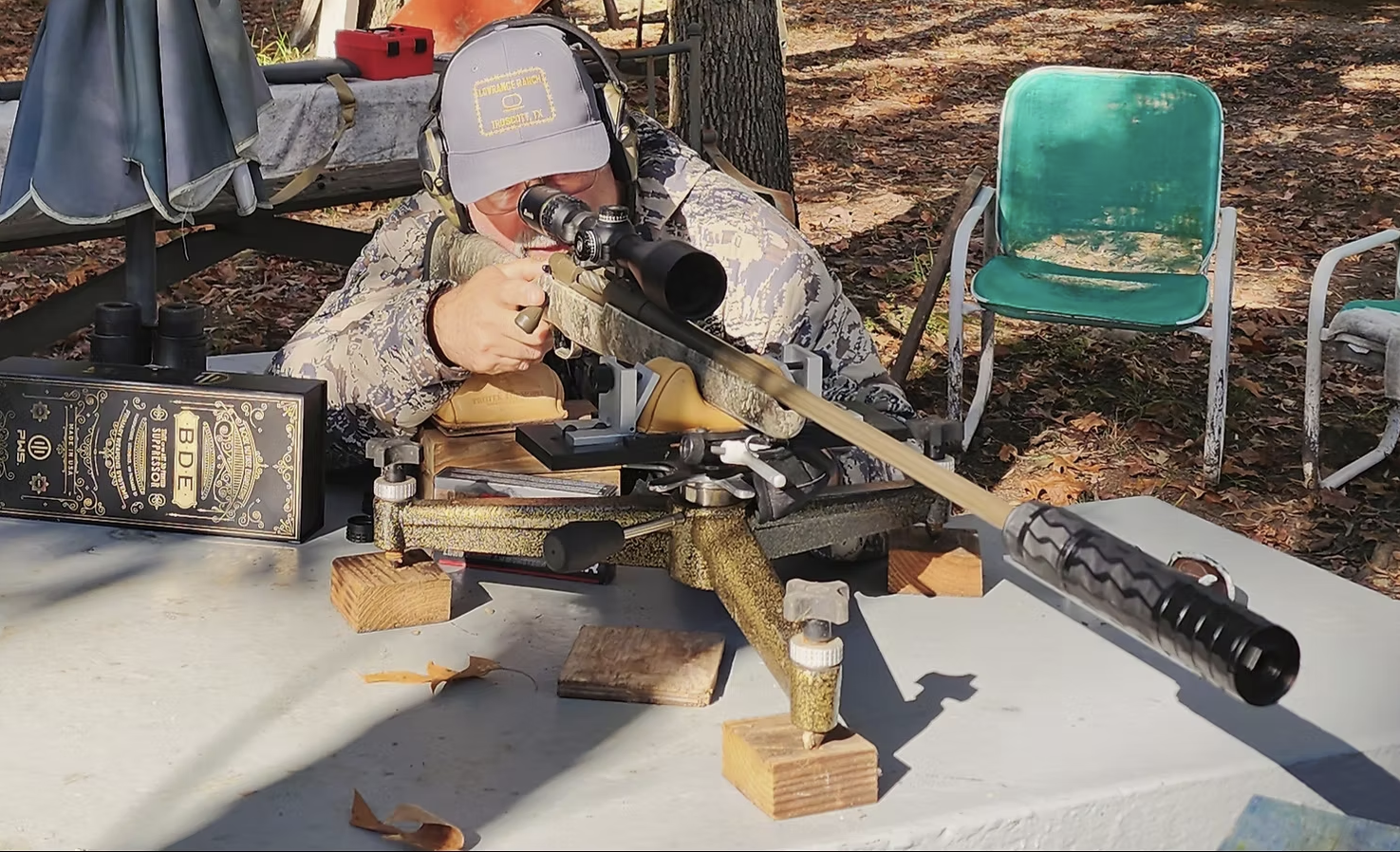
- Sound of Silence – Almost. Finally, a Suppressor for My Hunting Rifle – a PWS BDE762-TI


